Authored by Ted Janet
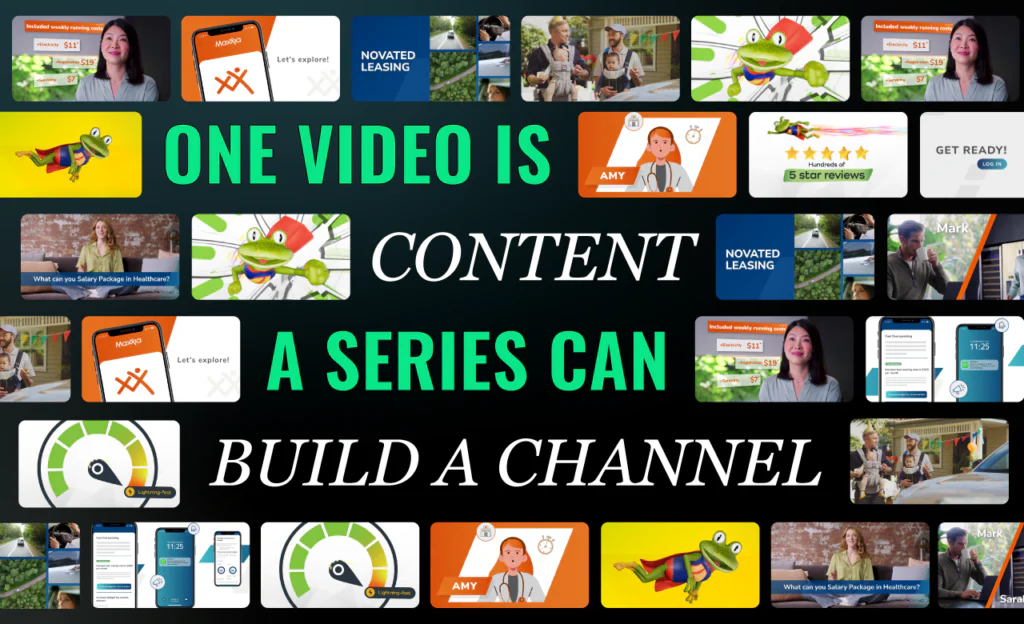
Increasingly, we’re working with clients to think beyond the individual video and build a video library: a collection of useful, searchable content designed around the questions their customers are already asking.
That changes the role of video. Instead of launching once, doing a job and disappearing down the feed, each video becomes part of a larger system. Over time, the channel gets deeper, more useful and easier to discover.
Our recent work with Leaptel and McMillan Shakespeare Group’s brands, Maxxia and RemServ, shows what that can look like. Across the content libraries we’ve helped create, videos have collectively attracted tens of thousands of views while providing brands’ audiences with a wealth of valuable content.
Start with the questions people are already asking
Novated leasing is a product people research. A lot.

They want to know what a novated lease is, how it works, what it includes, what happens at the end of the lease, how EVs fit into the picture and what happens when their circumstances change.
Rather than trying to cram all of that into one giant explainer, we worked with the team to create a structured YouTube content library around those individual questions.
Some videos go into detail. Others answer a single question in under a minute. Maxxia now has an extensive video library covering everything from the basics of novated leasing to FBT, ECM, EV charging and residual payments.
That matters because people rarely arrive at a subject in exactly the same place. Someone asking what is a novated lease? needs a very different answer from someone wondering what happens when their five-year lease ends.
A good series lets you meet both of them where they are.
One shoot. A lot more content.
The Maxxia and RemServ project was designed that way from the beginning.
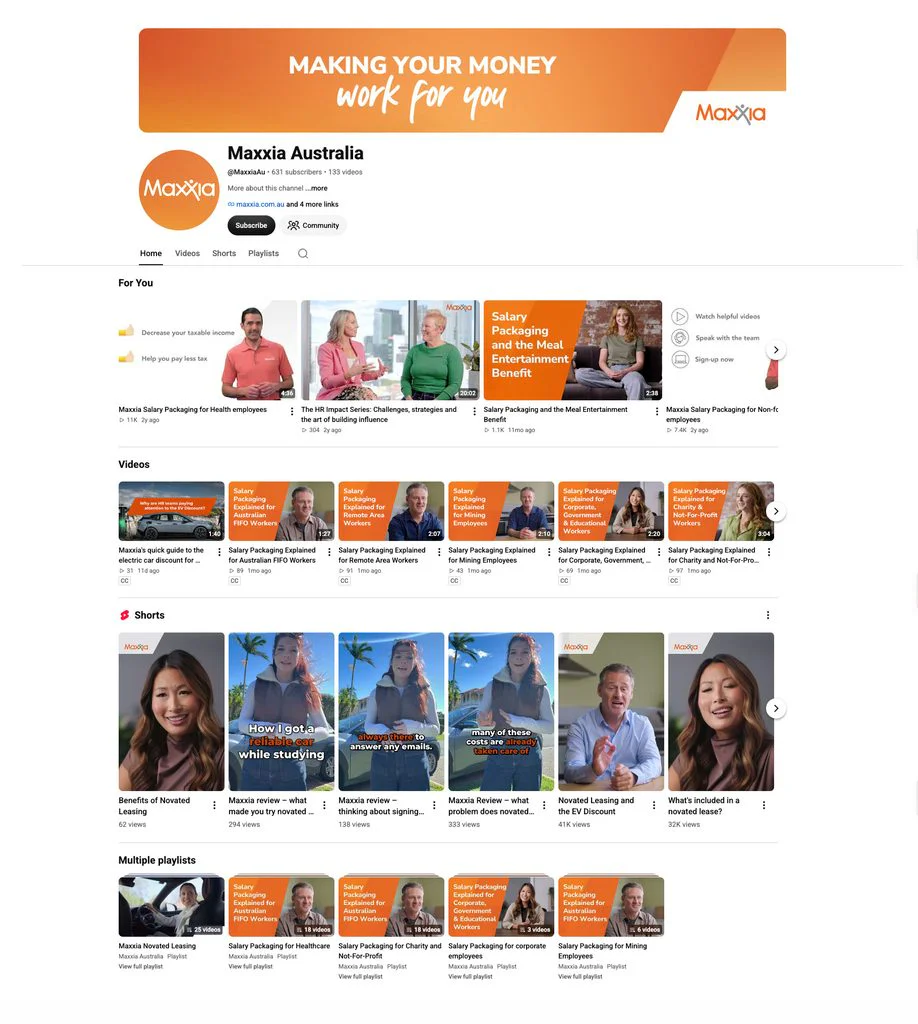
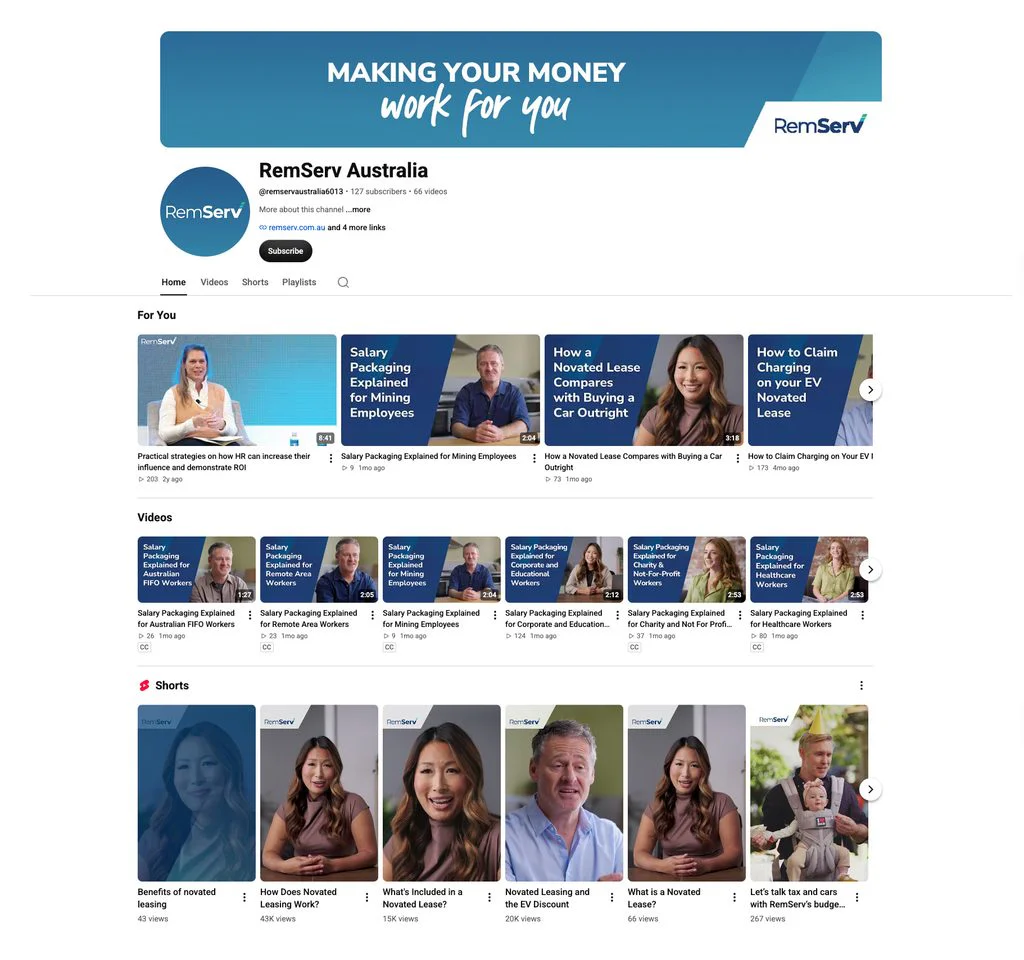
Screengrabs from Maxxia’s and RemServ’s YouTube pages.
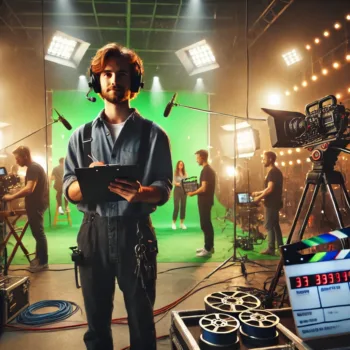
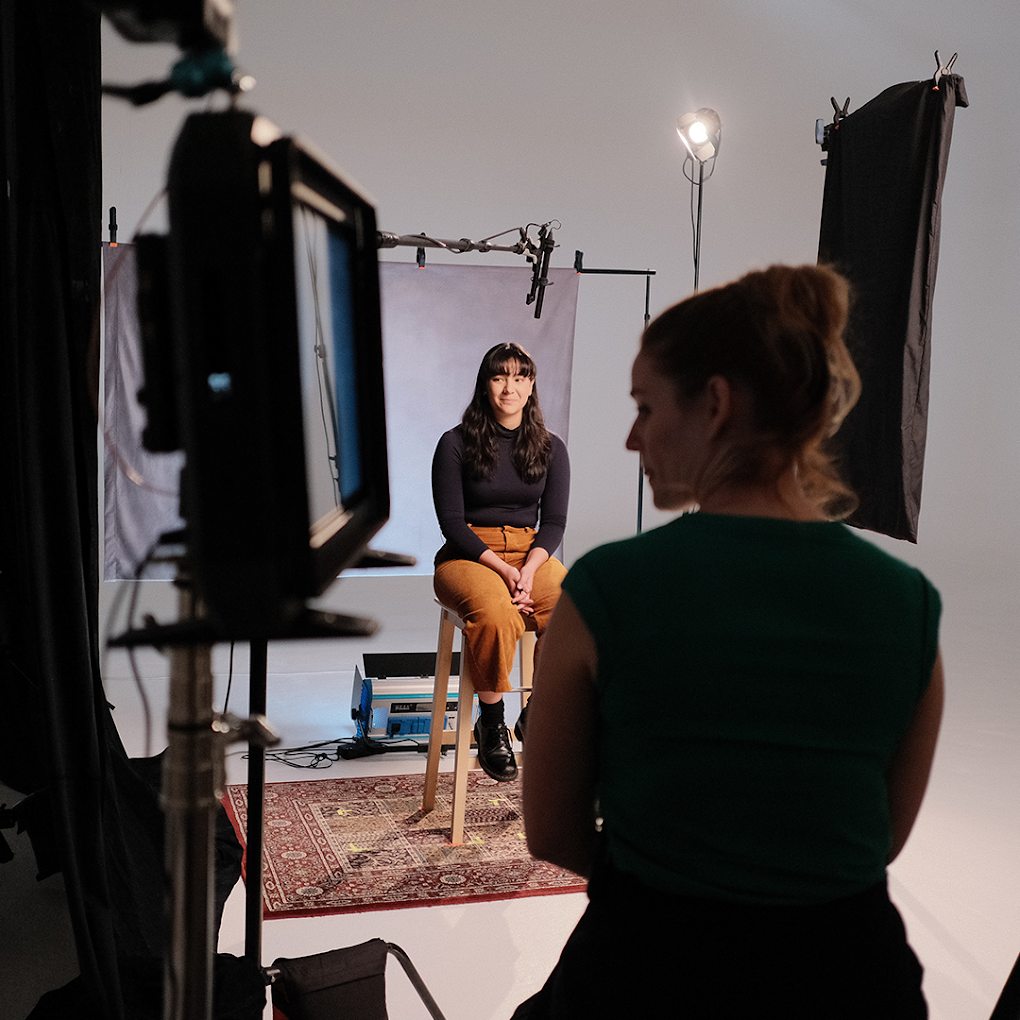
We didn’t simply plan a handful of episodes and then see what we could salvage afterwards. The scripts, shoot and presenter delivery were structured in modules so that individual answers and explanations could stand on their own.
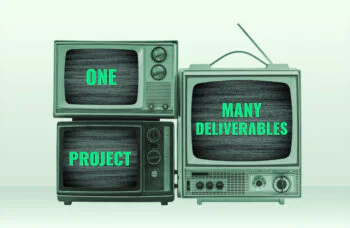
That meant one production could generate full episodes, shorter FAQ videos, individual explanations and content suitable for different channels. We unpack how we do this process. in more detail in our previous blog, One project, many deliverables.
It’s a small planning decision that can make a big difference to the value of a shoot. Instead of finishing production with four finished videos, you can finish with a library that keeps giving your marketing team something useful to publish for months.
And because everything has been developed together, the content feels like a series. Same people. Same tone. Same brand. Same level of quality.
Leaptel: build the system once, then keep using it
We took a slightly different approach with Leaptel.
For Leaptel, the challenge was keeping a growing and varied YouTube series feeling like one recognisable brand.
The content covers a broad range of topics and formats, from instructional videos and service explainers to shorter, more playful pieces. Without a strong visual thread, a library like that can quickly start to feel fragmented.
Leaptel already had Lenny the Frog as an established brand character. Our role was to take Lenny further: building him as a fully realised 3D model and developing how he could work within animated video content.
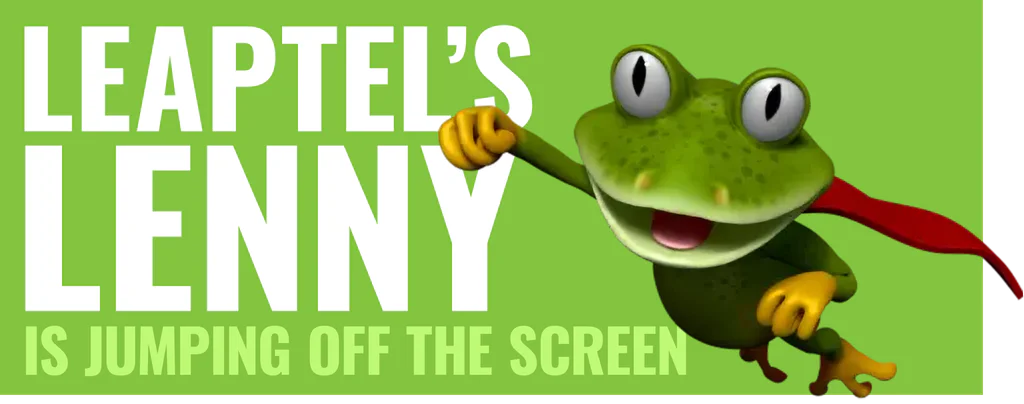
That gave the series a consistent visual anchor. Lenny can lead a video, introduce or close a piece, or simply appear as a familiar presence around otherwise very different subject matter. Alongside a consistent animation and graphic language, he helps tie the wider content library together.
The result is a YouTube channel that can cover very different customer questions without feeling like a collection of unrelated uploads. Someone might arrive through a troubleshooting video, a product explainer or another piece entirely, but the recurring visual system makes the experience feel unmistakably Leaptel.
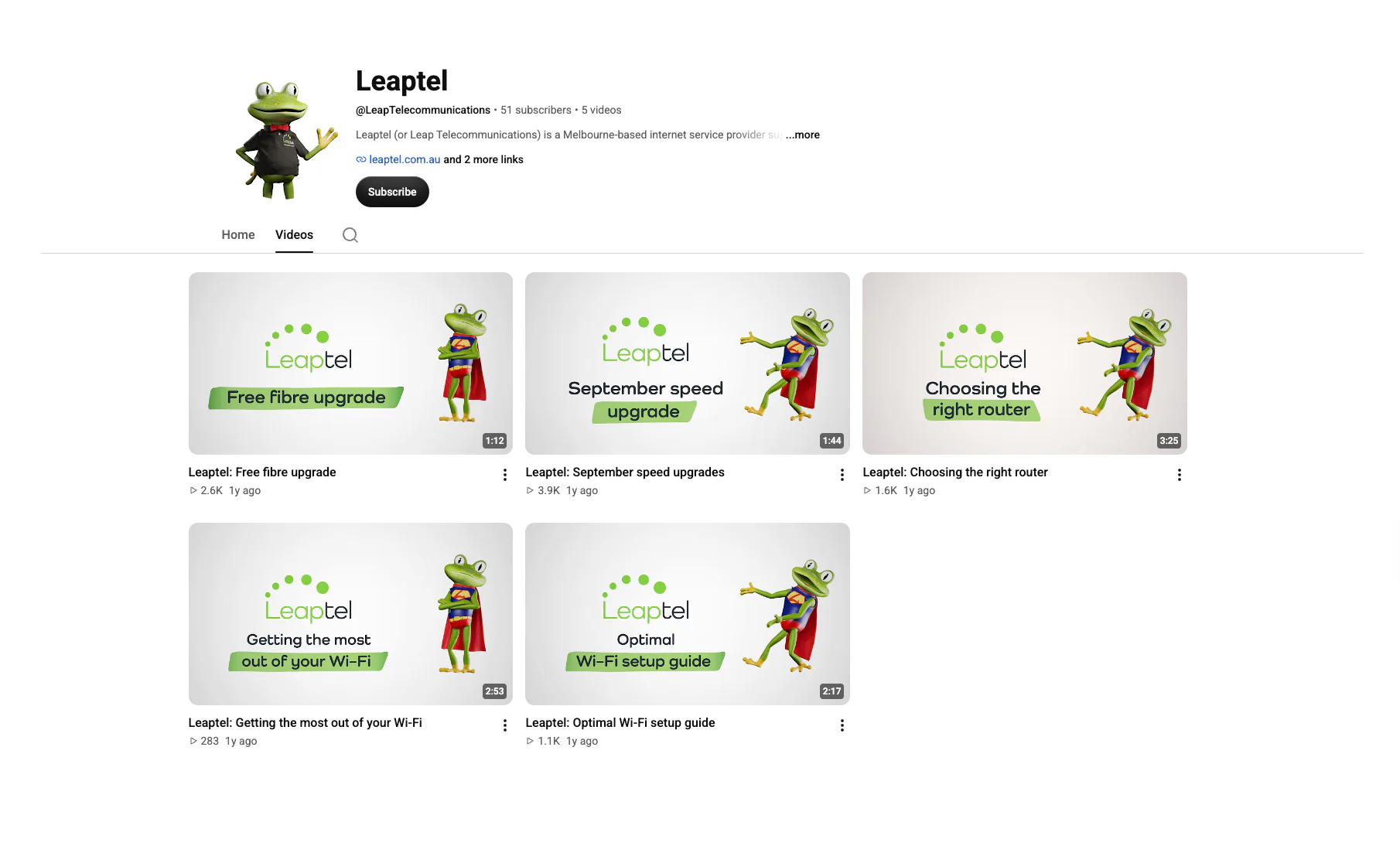
Screengrab from Leaptel’s YouTube Channel
And because the 3D character and broader creative system are already built, the series can continue expanding without reinventing the look every time. New topics can be introduced while maintaining the same recognisable brand presence across the channel.
That’s one of the big advantages of thinking in terms of a video series: the content can keep changing, while the brand stays cohesive.
That is where series thinking pays off. You’re not just commissioning videos. You’re investing in characters, formats, graphics, presenters, templates, and production approaches that become more useful the more you use them.
Your YouTube channel can become part of your search strategy too
There’s another reason this approach is becoming more important.
Google is increasingly answering questions directly in the search results. Research published in 2026 found that around 68% of US Google searches now end without any click at all, up from around 60% in 2024.
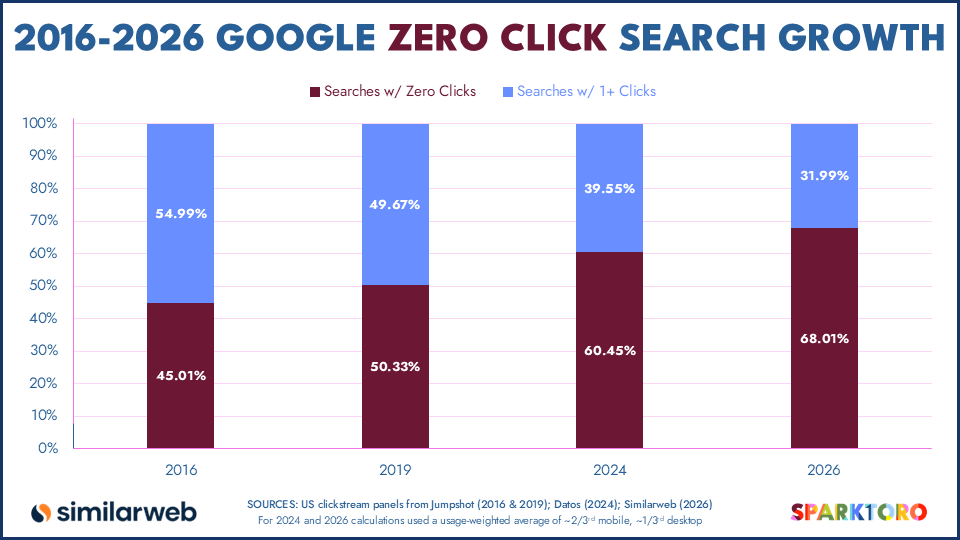
Image sourced from Sparktoro, 2026 (https://images.sparktoro.com/blog/wp-content/uploads/2026/06/2016-2026-google-zero-click-search-growth-sparktoro.png)
In other words, being part of the answer is becoming increasingly important, even when someone never makes it through to your website.
That changes how we should think about a YouTube channel.
A properly structured video library gives your brand a body of useful, topic-specific content that Google can discover and understand. Google already surfaces video across its main search results, Images, Discover and dedicated video results, and can use YouTube timestamps and chapter labels to identify individual Key Moments within a video.
Google’s own advice for its AI search experiences is also fairly simple: create original, useful content that genuinely answers people’s needs.
So while there’s no magic “make an AI Overview feature us” button, there is a very practical strategy behind it: answer the important questions in your category clearly, structure those answers properly and build enough genuinely useful content that both people and search engines can understand what your brand knows about.
That is exactly what we started seeing with the Maxxia channel.
Following the rollout, the client reported strong period-on-period growth in discoverability, particularly through Google Search. More interestingly, Maxxia was appearing in AI-generated responses, with the information being surfaced closely mirroring the bookmark and chapter structures built into the videos.
Engagement improved too, with more viewers staying on the channel and moving through the playlists.
That’s a long way from simply counting video views.
Build the library, not just the video

None of this means every company needs to start pumping out fifty YouTube videos.
The useful question is simpler: how much knowledge does your organisation already have that your audience is actively looking for?
If customers repeatedly ask the same questions, if your sales team keeps explaining the same concepts, or if your website contains pages of information that people struggle to navigate, there is probably a video series sitting there waiting to be made.
And if the answer changes depending on who is asking, personalised video can take that same thinking one step further.
Plan it properly, and one production can create dozens of pieces of content. Build the creative system properly, and each new video becomes easier to make. Structure the channel properly, and those videos can continue working through YouTube, Google Search and increasingly AI-powered discovery long after the original campaign has finished.
One video can explain something. A good series can help your brand become the place people go to understand it.
Get in touch with us to help you start build your library