Authored by Ted Janet
A well-run video production should feel clear, organised and manageable.
You should know who is leading the project, who is shaping the creative, who is managing the timeline, who is reviewing the work and who is responsible for the final result.
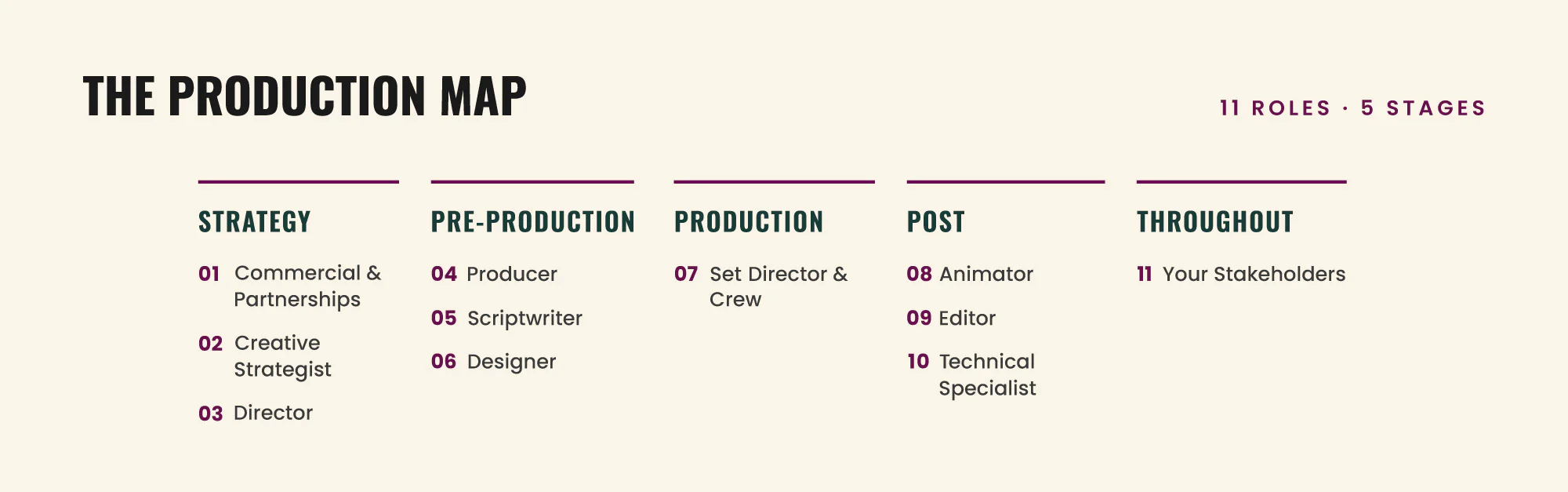
At Creativa, every project is built around clear roles and clear accountability. Whether we are producing live action, animation, motion graphics, immersive content, digital activations, training, internal communications or campaign assets, the aim is the same: to make the process straightforward for you and effective for your audience.
Every project is different, so the exact team may change. Some projects need a director and crew. Others need animators, designers and technical specialists. Some involve sensitive subject matter, multiple stakeholders or complex approval pathways.
The important thing is that everyone knows what they are responsible for. Here is how the team works together.
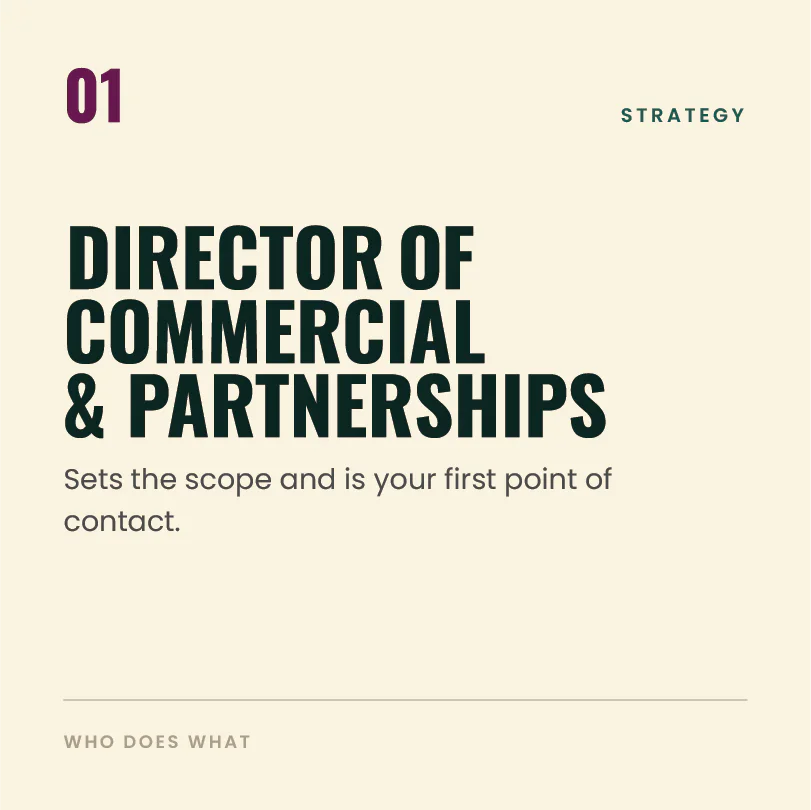
The Director of Commercial and Partnerships is often involved before a project is fully defined.
Their role is to understand your broader communication challenge, not just the immediate production request. What does the content need to achieve? Who is the audience? Where will it be used? What value should it create for your organisation?
This is why we like to get involved early and often.
We encourage you to bring us your problems, not just your projects. Sometimes the right solution is a single video. Sometimes it is a suite of assets. Sometimes it is an evergreen content solution that can work across multiple campaigns, channels or audiences.
Where possible, we look for one investment to create many deliverables. That might include a hero video, social cutdowns, internal versions, event content, thumbnails, stills, captions or platform-specific outputs.
The goal is to make sure the project is useful, strategic and commercially sensible from the start.

Creative strategists help shape the treatment, concept and content approach.
Their role is to connect your objective with your audience’s needs. They consider what the audience needs to understand, what will hold their attention, what message needs to land and how the content can support engagement, retention and return on investment.
This is especially valuable when a project involves complex information, sensitive subject matter or multiple stakeholders.
A creative strategist may help define the central message, recommend the right format, structure a content series, develop a campaign idea or identify how one production can generate multiple useful outputs.
Their role is to make sure the project has a clear creative rationale before production begins.

Once a project is approved, the producer becomes your main point of contact.
The producer keeps the project organised from start to finish. They manage the timeline, coordinate the team, clarify deliverables, arrange meetings, track feedback, manage approvals and make sure everyone understands what is needed and when.
Where possible, we assign producers who specialise in the relevant content type. A live action shoot, animation, training series, digital activation and social campaign all require different planning.
The producer will usually begin with a kickoff meeting to confirm the brief, objectives, deliverables, stakeholders, timelines, review points and any practical requirements.
For you, the producer is the person who makes the project feel manageable. They keep communication clear, decisions visible and the production moving.
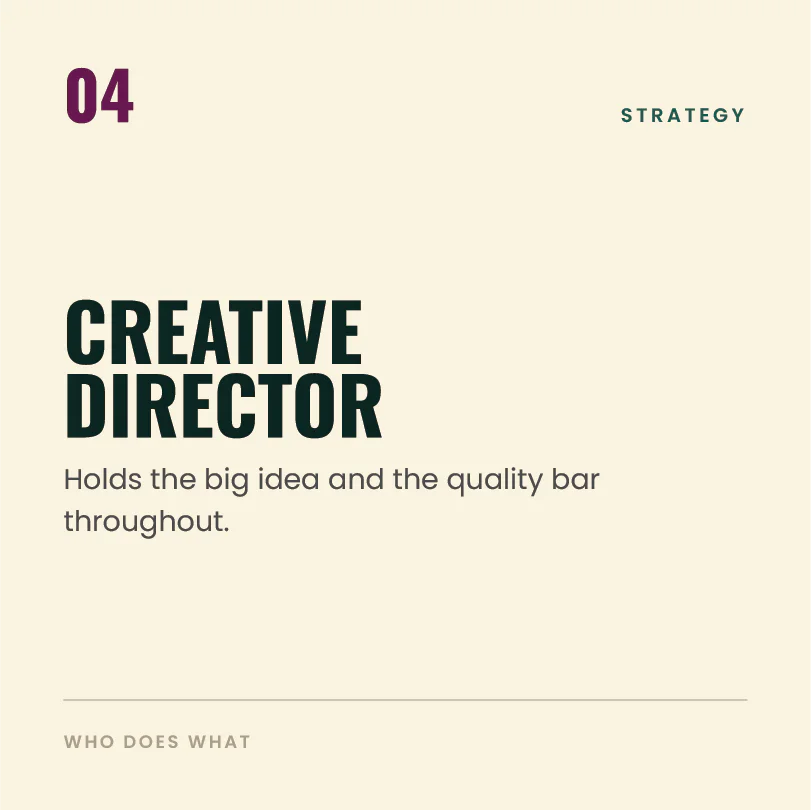
The Director oversees the creative quality of the production.
Their role is to make sure the work remains aligned with the agreed direction, your objectives, your audience and your brand. They may be involved in treatments, scripts, design, storyboards, edit reviews, animation reviews and final quality control.
A production can involve many specialists, but the finished piece needs to feel unified.
The Director helps ensure that the tone, style, pacing, message, visuals and finish all work together. They also provide an additional layer of creative accountability, making sure decisions are made with the whole project in mind.
For you, this means someone is looking across the complete creative outcome, not just the individual tasks.

Scriptwriters turn the brief, strategy and subject matter into clear, usable content.
This may include voiceover, interview questions, narration, dialogue, presenter scripts, titles, supers or on-screen text.
For complex or sensitive projects, the writer’s role is especially important. They help balance accuracy with clarity, working with you, the production team and subject matter experts to ensure the message is correct, accessible and easy to follow.
This is often critical for training, government, healthcare, education, internal communications, technical content or stakeholder-led projects.
The writer helps make sure the content says what it needs to say without becoming dense or overwhelming.
Designers establish the visual language of the project.
They may create style frames, look and feel options, typography, colour palettes, title treatments, graphic systems, illustration styles, interface elements or assets for animation and motion graphics.
Style frames are often used to give you a clear sense of the visual direction before the project moves further into production. They help confirm the look and feel early, which makes later decisions easier.
For animation, design may define the entire visual world.
For live action, design still plays a major role. Most live-action videos include titles, lower thirds, captions, transitions, diagrams, infographics, or motion graphics.
The designer’s role is not just to make the content look polished. It is to make sure the visual treatment supports the message and strengthens the final piece.
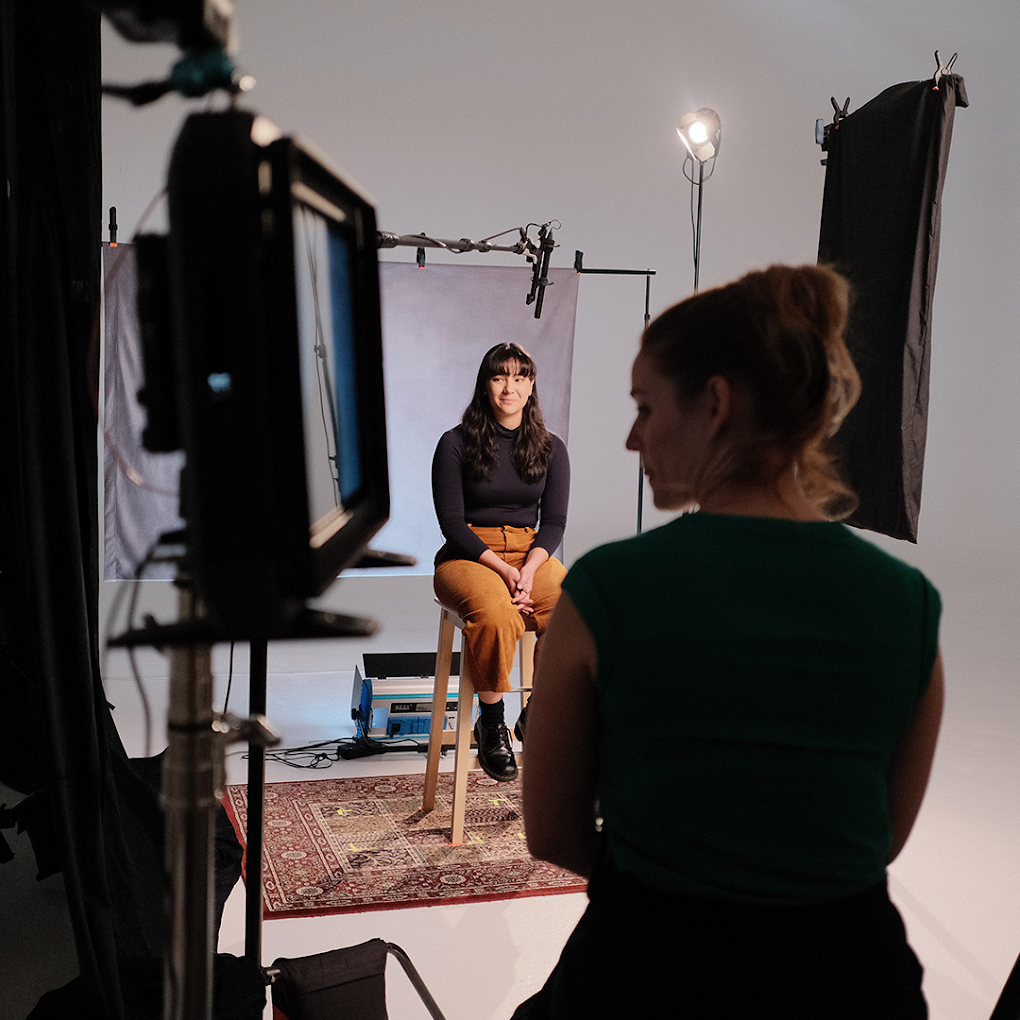
For live action projects, the set director leads the creative execution on set.
The set director works with talent, interviewees, crew and the producer to make sure the right footage is captured. They guide performance, tone, pacing, framing and the overall direction of the shoot.
If the project involves interviews, the set director helps guide the conversation so the responses are natural, useful and aligned with the final story.
If the project involves scripted pieces to camera, the director works with talent to achieve a clear and confident delivery.
The cinematographer, or Director of Photography, is responsible for the visual capture. They work with the director on lighting, framing, camera movement, lenses and the overall look of the footage.
Depending on the shoot, the crew may also include camera operators, sound recordists, lighting assistants, production assistants, makeup artists, stylists or other specialists.
Their job is to make sure the shoot runs smoothly and the footage is captured to a professional standard.
Animators bring approved designs, storyboards and assets to life.
They create the movement, rhythm, timing and visual flow of the piece. This may include character animation, motion graphics, kinetic typography, diagrams, transitions, product visualisation or abstract visual systems.
Good animation is not simply movement. It helps guide the viewer’s attention, reveal information clearly and make complex ideas easier to understand. Animators work closely with designers, producers and the Creative Director to make sure the movement supports the message and remains consistent with the approved visual direction.
For complex content, animation can be especially useful because it can show processes, simplify systems or explain ideas that are difficult to film.

The editor shapes the final story.
For live action projects, the editor reviews the footage, selects the strongest material and splices it into a clear, engaging sequence. They build the structure, pacing, transitions, interview flow, music, sound, titles and visual rhythm.
The editor also helps make the content feel polished and complete. Depending on the project, the edit may include sound effects, music selection, colour correction, colour grading, captions, motion graphics, cutdowns and different versions for different platforms.
Editing is where the audience experience is finally shaped. The editor works closely with the producer, director and creative team to make sure the finished piece reflects the brief and achieves its purpose.
Some projects need additional expertise.
This may include technical leads, developers, accessibility consultants, immersive media specialists, AR specialists, AI specialists, digital producers, sound designers, composers, colourists or implementation partners. These roles are especially important for augmented reality, digital activations, interactive experiences, platform-specific delivery, accessibility requirements, AI-assisted workflows or technical subject matter.
Not every project needs every specialist. The team is built around the requirements of the work, so the workflow suits the project rather than forcing every project through the same model.
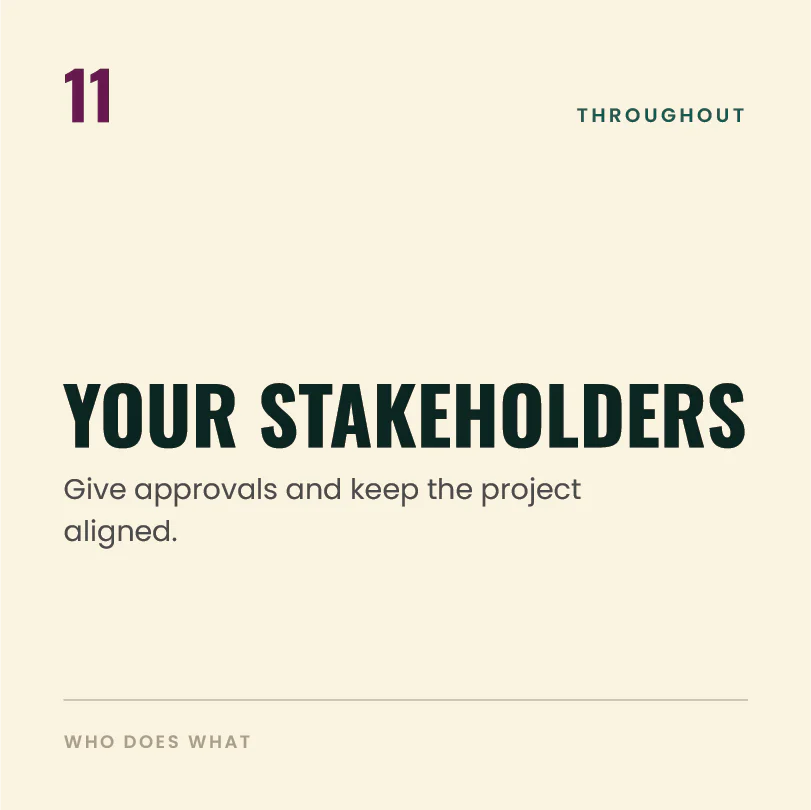
Your stakeholders are also an important part of the team.
They may provide brand guidance, technical information, compliance feedback, approvals, audience insight or subject matter expertise.
For projects with multiple departments, sensitive content or complex approval pathways, we may recommend workshops to align stakeholders early.
These sessions help clarify the message, identify risks and make sure the right people are involved before production decisions are too advanced.
This is particularly useful for content involving internal change, training, community engagement, healthcare, education, government, legal review or technical subject matter.
The aim is to make collaboration easier and prevent confusion later.
How Feedback Works
Clear feedback keeps a project moving.

At key points, you are given structured opportunities to review the work and provide input. This usually includes two rounds of revisions at each major stage, with clear approval points before the project moves forward.
That may apply to the treatment, script, style frames, storyboard, edit, animation or final delivery files.
This structure gives your stakeholders a voice while keeping the project focused, efficient and accountable.
Everyone understands what is being reviewed, what kind of feedback is useful and what has already been approved.
Delivery and Ongoing Support
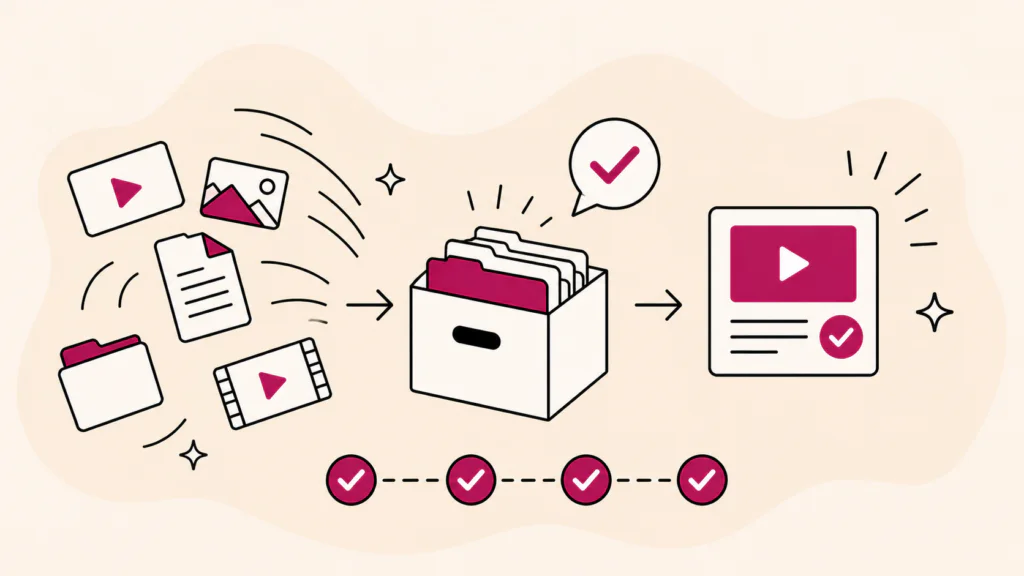
Final delivery may include more than one file.
Depending on the project, deliverables may include master videos, social cutdowns, vertical versions, widescreen versions, thumbnails, stills, captions, clean versions, texted versions or files prepared for specific platforms.
The producer makes sure the final assets are organised and supplied in the agreed formats.
We also like to stay involved after delivery.
Our aim is to be an ongoing partner, not just a production supplier. That means helping you think about how content is performing, how it can be adapted, what else it can support and how future content can build on the investment already made.
Good content should support engagement, attention, retention and return on investment.
The Takeaway
Video production should feel clear, organised and manageable.
At Creativa, every person has a clearly defined role within a tried and true process. That process is robust enough to ensure excellent results, but flexible enough to adapt to the demands of each unique project.
Whether your content involves live action, animation, motion graphics, immersive experiences, sensitive subject matter or multiple stakeholders, the right team is brought in at the right time.
That means you always know who is responsible, what is happening next and how the project is moving toward delivery.
Clear roles. Clear communication. A process designed to deliver excellent results.
Want to Talk Through a Project?
Whether you’re planning a video, animation, immersive experience, training piece or internal communication campaign, we can help you shape the right approach from the start.
Get in touch with Creativa and let’s talk about how to make your next project clear, secure and effective.